
Leading People Through Uncertainty
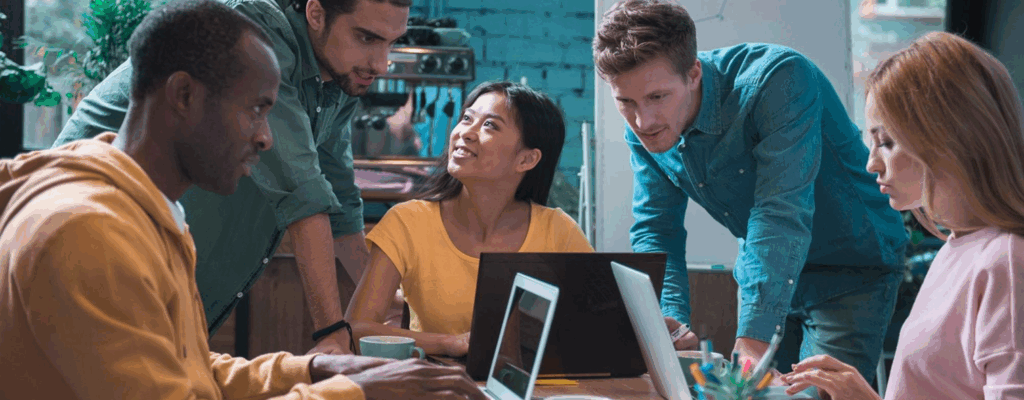
Uncertainty has become the new normal for businesses. Economic shifts, global conflicts, new technologies, and changing customer expectations all combine to create an environment where the only constant is change. When everything feels unstable, employees naturally look to leadership for steadiness and direction. And here’s the truth: resilience in business doesn’t just come from systems or strategies — it comes from how people are led through the storm.
AI & Smart Tools for Small Business
Artificial intelligence used to sound like science fiction, but today it’s built into tools businesses use every day. For small and mid-sized businesses, AI isn’t about robots taking over jobs. It’s about smart tools that help you work faster, anticipate problems, and make better decisions — all of which make your business more resilient.
Cybersecurity as aCornerstone of Resilience

When we talk about resilience, most people think about supply chains, finances, or employees. But here’s the piece many overlook: cybersecurity. Protecting your systems and data is no different than locking your front door at night — and for today’s businesses, it’s just as critical.
Digital Transformation for Business Resilience

“Digital transformation” can sound like something only giant corporations talk about. But the truth is, technology is no longer optional for any business. Whether you’re running a retail shop, a small restaurant, or a service company, the tools you use every day can make the difference between staying steady through challenges or scrambling to keep up.
Sustainable Innovation & the Future of Business
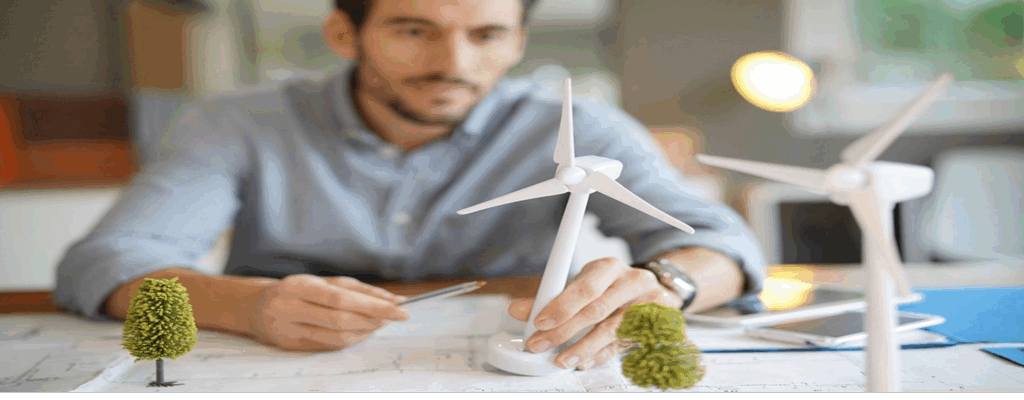
When we hear the word “innovation,” most of us think about cutting-edge tech or brand-new products. But some of the smartest business innovations happening right now are about rethinking how we use what we already have. That’s where circular economy thinking comes in — and it’s changing the game.
Reducing Waste, Reducing Costs

Let’s be honest: waste costs money. Every box you toss, every scrap you throw away, every process that creates more leftovers than it should — that’s money leaving your business. The circular economy flips that around by asking: What if waste could actually be a resource? For a lot of businesses, the answer has been real savings.
What Is a Circular Economy?
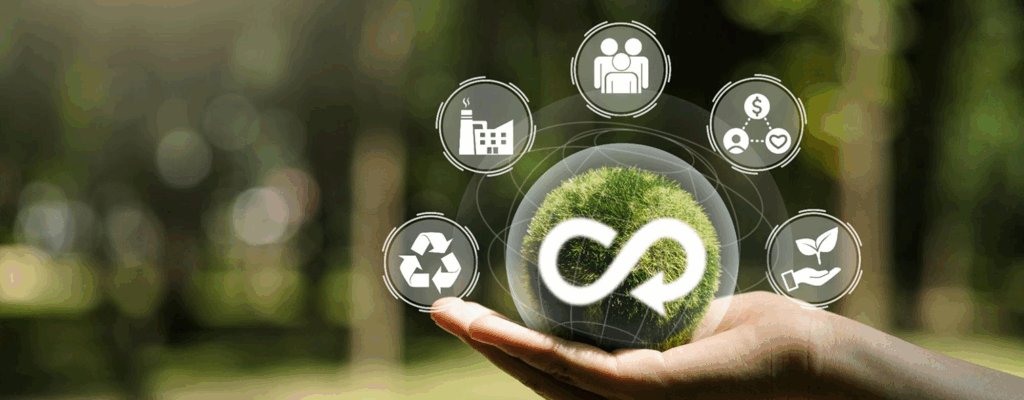
You’ve probably heard the term “circular economy” tossed around lately. It sounds like something cooked up in a policy meeting or a college textbook, right? But here’s the truth: it’s actually a simple idea that has a lot to offer real businesses like yours.
Customers Want Green Businesses
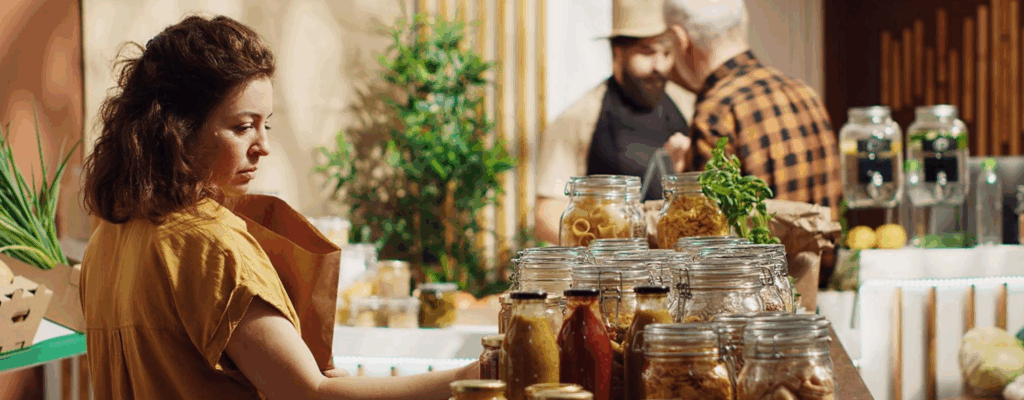
Customers used to care mostly about price and quality. Those still matter, of course, but the playing field has shifted. More and more buyers now ask: Is this business doing right by the planet? If the answer is no, they may take their dollars elsewhere.
Green Business Is Good Business

There’s a common misconception that sustainability is expensive — that “going green” means sacrificing profit. But the truth is, many businesses are discovering the opposite: green business is good business. Done right, it saves money, reduces risk, and strengthens customer loyalty.
Why Sustainability Matters Now

Not long ago, sustainability was something big companies bragged about in glossy reports. For small and mid-sized businesses, it felt out of reach — or worse, irrelevant. But times have changed. Today, sustainability isn’t just a nice-to-have. It’s an expectation from customers, regulators, and communities. And ignoring it can cost your business more than money.